Introduction
A concert, workshop, or cultural festival can create lasting memories. Events also help people share knowledge, build relationships, and explore new interests.
China offers many experiences for residents and international visitors. Its cities attract people through entertainment, education, culture, and professional gatherings.
Yet finding the right activity takes careful research. People need accurate schedules, useful descriptions, and clear ticket information.
Online Event Ticket Booking China helps people explore available event information through digital platforms. It also gives organizers another way to introduce activities to potential attendees.
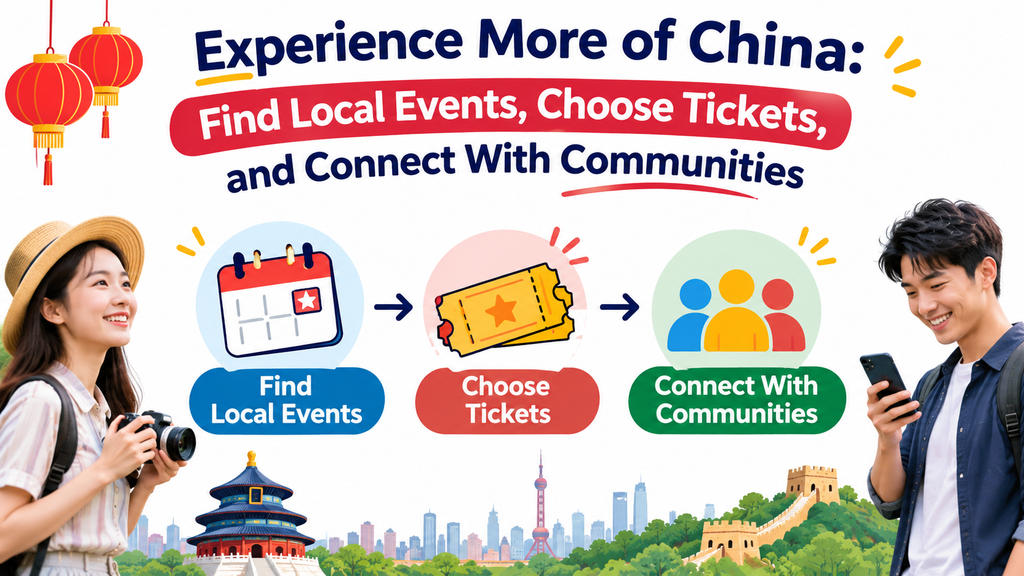
This article explores the complete event journey. You will learn how to discover activities, compare tickets, plan registrations, and promote events.
What People Want From Local Events
People attend events for different reasons. Some want entertainment, while others seek learning or professional connections.
Understanding these interests makes event discovery more useful.
| Visitor interest | Suitable event options | Possible experience |
|---|---|---|
| Entertainment | Concerts and live shows | Enjoy music and performances |
| Culture | Festivals and exhibitions | Explore local traditions |
| Education | Workshops and lectures | Develop practical knowledge |
| Professional growth | Conferences and networking | Exchange industry ideas |
| Social activities | Community gatherings | Meet local people |
| Business growth | Trade meetings and startup events | Explore business connections |
Before searching, decide what you want from an event. This simple step helps you focus on relevant activities.
Explore China’s Event Opportunities by City
China’s major cities attract different audiences and event interests. Choosing a city first can make your search easier.
Shanghai: Entertainment Meets Professional Networking
Shanghai offers many activities across business, culture, education, and entertainment.
People searching for Shanghai Events and Tickets may explore:
- Live concerts and music festivals.
- Art exhibitions and creative workshops.
- Business conferences and networking meetings.
- Cultural celebrations and public programs.
- Food events and community gatherings.
- Educational sessions and professional workshops.
When choosing an event, check its location first. Review the starting time and travel arrangements.
Business visitors should examine conference agendas. Entertainment fans should compare ticket categories and entry conditions.
Beijing: Culture, Knowledge, and Public Experiences
Beijing offers cultural programs alongside professional and educational activities.
People searching for Beijing Events and Tickets may consider:
- Traditional performances and cultural shows.
- Music concerts and entertainment programs.
- Art exhibitions and creative activities.
- Technology and business conferences.
- Public lectures and learning workshops.
- Community events and seasonal celebrations.
Read each event description before registering. Check the venue, schedule, and admission requirements.
Visitors from other cities should plan transport early. This helps them avoid unnecessary travel pressure.
Choose Entertainment That Matches Your Interests
Live entertainment attracts people who want memorable experiences. Music shows, festivals, and stage performances offer different ways to enjoy free time.
People looking for Concert Tickets in China should compare event information before booking.
Important details include:
Artist information: Confirm the performer or music group.
Event timing: Check the correct date and starting time.
Venue location: Review the full address and entry point.
Ticket categories: Compare standard, VIP, and other available options.
Seating details: Check seat information when the organizer provides it.
Ticket cost: Review the listed price and additional charges.
Admission rules: Check age limits and identification requirements.
Booking confirmation: Save the order or registration information.
Never depend only on promotional posters. Read the full listing and follow the organizer’s latest instructions.
Find Professional Events That Support Your Goals
Professional gatherings help people discuss industry changes and business challenges. They also create opportunities to meet people with similar interests.
People searching for Business Conferences in China may explore topics such as:
- Artificial intelligence and technology.
- Software and digital business.
- Finance and investment.
- Entrepreneurship and startup development.
- Marketing and customer experience.
- Manufacturing and industrial growth.
- International trade and business strategy.
How to Select a Useful Conference
Start with the conference topic. Check whether it matches your professional goals.
Review the agenda and speaker information when available. Compare the sessions before choosing an event.
Also, check registration requirements. Some conferences may request company or professional details.
A Better Way to Compare Event Listings
A useful event listing should answer basic questions. Attendees should understand the activity before they choose a ticket.
Use this checklist when comparing events.
| Information | What attendees should examine |
|---|---|
| Event title | Name and main activity |
| Description | Purpose and expected experience |
| Date | Event day and starting time |
| Location | Venue name and address |
| Schedule | Main sessions or performances |
| Tickets | Categories and access details |
| Pricing | Listed amount and extra charges |
| Entry rules | Admission requirements |
| Organizer | Available contact information |
| Cancellation | Published cancellation conditions |
Compare the information carefully. Choose events that match your schedule and expectations.
Registration Is an Important Part of Event Planning
Event registration connects interested people with organizers. It also helps organizers understand expected attendance.
An Event Registration Platform China may help organizers publish listings and collect participant information.
However, platform services differ. Organizers should check the available functions before choosing a provider.
Important comparison areas include:
- Event creation and editing.
- Registration form options.
- Ticket category management.
- Participant information records.
- Venue and schedule details.
- Event discovery features.
- Organizer account tools.
- Service terms and support options.
A small workshop may need basic registration. A large conference may require more participant details.
Collect only the information that supports the event. Keep registration questions short and relevant.
Prepare an Event Listing That Builds Trust
People need clear information before they decide to attend. Organizers should make every important detail easy to find.
Create a Meaningful Event Title
Use a title that explains the activity. Include the location or topic when it adds useful context.
Describe the Event Clearly
Explain the event’s purpose and main activities. Tell readers what they can expect.
Share the Full Schedule
Include dates, starting times, and session details. Mention important breaks or separate activities when relevant.
Provide Accurate Venue Information
Add the venue name and full address. Include useful travel information when available.
Explain Every Ticket Category
Describe the available ticket options. Explain their prices and differences.
Add Registration Instructions
Tell attendees how they can sign up. Explain any special requirements or deadlines.
Review the Listing
Check every detail before publishing. Correct errors in dates, prices, and venue information.
Understand the Role of Event Ticketing Software
Organizers often manage several ticket categories and registrations. Suitable software can help them organize these tasks.
Event Ticketing Software China may support ticket setup and attendee information management. Some providers also offer event editing and promotional features.
Organizers should compare these areas:
| Feature area | What to check |
|---|---|
| Ticket creation | Support for different ticket categories |
| Registration | Online attendee sign-up options |
| Pricing | Clear ticket price management |
| Attendee records | Access to participant details |
| Event updates | Options to edit event information |
| Promotion | Available event discovery features |
| Fees | Clear service charges |
| Support | Available assistance and service terms |
Do not assume every provider offers the same functions. Check the actual service details before choosing software.
Take Your Event From Idea to Publication
Good event planning begins before publication. Organizers should prepare their information and confirm important arrangements.
If you want to List Your Event in China, use this workflow:
- Define the event’s main purpose.
- Identify your target audience.
- Select the correct category.
- Prepare a clear event title.
- Write a helpful description.
- Confirm the venue and schedule.
- Decide which ticket options you need.
- Prepare registration instructions.
- Review the complete listing.
- Publish and update event information.
After publication, check the listing regularly. Update details whenever your plans change.
Create a Practical Online Ticket Sales Strategy
Ticket sales need a clear structure. Attendees should understand their choices without reading confusing descriptions.
Organizers who want to Sell Event Tickets Online China may consider these ticket types:
| Ticket type | Purpose | Planning point |
|---|---|---|
| General admission | Standard event entry | Explain included access |
| Early-bird | Encourage earlier registration | State the offer period |
| VIP | Provide a separate access category | Explain extra benefits |
| Group tickets | Support group registrations | Clarify group conditions |
| Free registration | Manage attendance without an entry charge | Explain sign-up requirements |
| Special passes | Provide access to specific activities | List included sessions |
Choose categories that suit the event. Avoid unnecessary options.
Also, explain payment and cancellation terms. Never promise refunds or payment services without confirming the provider’s policies.
Promotion Ideas for Different Event Audiences
A good event listing needs relevant visibility. Organizers should identify where their potential attendees look for information.
Consider these practical promotion ideas:
For music events: Share performer details, event schedules, and relevant promotional material.
For business conferences: Highlight the main topics, speakers, and professional audience.
For workshops: Explain the learning goals and expected activities.
For cultural festivals: Describe the program and local experience.
For community events: Share useful information with relevant community groups.
Keep promotional messages accurate. Do not promise experiences or benefits that the event cannot provide.
Common Challenges and Their Solutions
Careful planning helps both attendees and organizers avoid common problems.
Challenges for Attendees
Unclear event information
Some listings lack important details. Read the full description and contact the organizer when necessary.
Wrong ticket selection
Ticket categories may offer different access. Compare their descriptions before booking.
Poor travel planning
A distant venue can disrupt your schedule. Check the address and travel options early.
Missed admission rules
Some events have age or identification requirements. Review the instructions before attending.
Challenges for Organizers
Weak event descriptions
A short description may leave visitors confused. Explain the event’s purpose and activities.
Incorrect schedule details
Wrong dates or times can create serious problems. Confirm the schedule before publication.
Complicated registration forms
Too many questions can discourage sign-ups. Collect only necessary participant information.
Unclear ticket prices
Hidden charges can reduce attendee confidence. Explain ticket prices and conditions clearly.
Slow event updates
Outdated listings may confuse attendees. Update important information as soon as plans change.
Poor audience targeting
A general message may not reach the right people. Focus promotion on relevant audiences.
Examples of Different Event Experiences
The following fictional situations show how people may use event discovery platforms.
A Family Planning a Weekend Activity
A family plans a weekend in Shanghai. They want to attend a cultural show.
They compare event dates, venue details, and ticket categories. They choose an activity that fits their schedule.
A Graduate Exploring Career Opportunities
A graduate searches for professional conferences in Beijing. They want to learn about business and technology.
They review the conference agenda and session topics. They choose an event that supports their career interests.
An Independent Teacher Hosting a Workshop
A teacher plans a weekend workshop. They prepare the topic, venue, schedule, and registration details.
They create a clear event listing. Interested learners can review the information before registering.
A Local Business Organizing a Festival
A business plans a community festival. Its team prepares the activity schedule and ticket options.
The team shares the event information online. Local residents can explore the program and decide whether to attend.
How MyEventsNow China Brings Event Information Together
MyEventsNow China focuses on event discovery and ticket booking opportunities across China.
The platform aims to connect event organizers, attendees, businesses, and communities. Its event interests include concerts, festivals, workshops, conferences, entertainment shows, and cultural activities.
Attendees can explore event information and discover activities that match their interests. Organizers can prepare event profiles with descriptions, venues, schedules, images, and ticket details.
The platform also focuses on venue discovery, community discussions, event blogs, and promotional opportunities.
People searching for Upcoming Events in China can explore event information connected with cities such as Shanghai and Beijing.
MyEventsNow China aims to make event discovery more convenient. It also seeks to help organizers introduce their activities to interested audiences.
Frequently Asked Questions
1. What does Online Event Ticket Booking China mean?
Online event ticket booking helps people explore events and choose tickets through digital platforms. Users can review event descriptions, dates, venues, and ticket categories. The booking process depends on each provider and organizer. Always check the final information before completing a purchase.
2. How can I discover Upcoming Events in China?
Start with a city, date, or event category. Search for concerts, festivals, exhibitions, workshops, and conferences. Compare event details before choosing an activity. Online event platforms can help people explore different listings.
3. Where can I find Shanghai Events and Tickets?
Search for event listings related to Shanghai. Explore music performances, cultural programs, conferences, and workshops. Review the venue and schedule before choosing tickets. Check the organizer’s latest details before attending.
4. What can I explore through Beijing Events and Tickets?
Beijing event listings may include cultural performances, concerts, exhibitions, conferences, and workshops. Choose activities that match your interests. Compare the event dates, venue locations, and registration rules before making plans.
5. What should I review before buying Concert Tickets in China?
Check the performer, date, venue, and ticket category. Review seating information when available. Check the listed price and admission rules. Save your confirmation and follow the organizer’s instructions.
6. How do Business Conferences in China help professionals?
Business conferences can help professionals explore industry topics and exchange ideas. They may also create networking opportunities. Review the agenda and speaker information before registering. Choose conferences that support your professional goals.
7. Why do organizers use an Event Registration Platform China?
An event registration platform can help organizers publish event listings and collect attendee information. Some providers also support ticket categories and participant records. Organizers should compare available services before choosing a platform.
8. What features matter in Event Ticketing Software China?
Organizers should compare ticket creation, registration, attendee records, and event updates. They should also review service charges and support terms. Each provider offers different functions. Choose software that matches your event requirements.
9. How can I List Your Event in China?
Prepare the event title, description, category, date, and venue. Add the schedule, ticket details, and registration instructions. Review the listing before publication. Choose a platform that supports your event type.
10. How can organizers Sell Event Tickets Online China?
Organizers can explore online ticketing services that match their needs. They should create clear ticket categories and explain prices. They should also review payment and cancellation terms before promoting sales.
11. Can international visitors explore local events in China?
Yes, international visitors can search for concerts, festivals, cultural programs, and workshops. They should check language details, venue information, admission rules, and registration requirements. These details help them plan suitable activities.
12. How can organizers improve their event listings?
Use a clear title and a helpful description. Share accurate dates, venue details, schedules, and ticket information. Add relevant promotional material when available. Keep the listing updated and respond to attendee questions.
Final Thoughts
Choosing the right event starts with clear goals and reliable information. Attendees should compare locations, schedules, ticket categories, and entry rules. Organizers should prepare useful listings and simple registration steps. China offers many experiences for music fans, travelers, students, and professionals. Digital platforms can help connect these audiences with suitable activities. MyEventsNow China aims to support this process through event discovery and ticket booking. Explore the available opportunities, review each event carefully, and choose experiences that bring value to your plans.
